





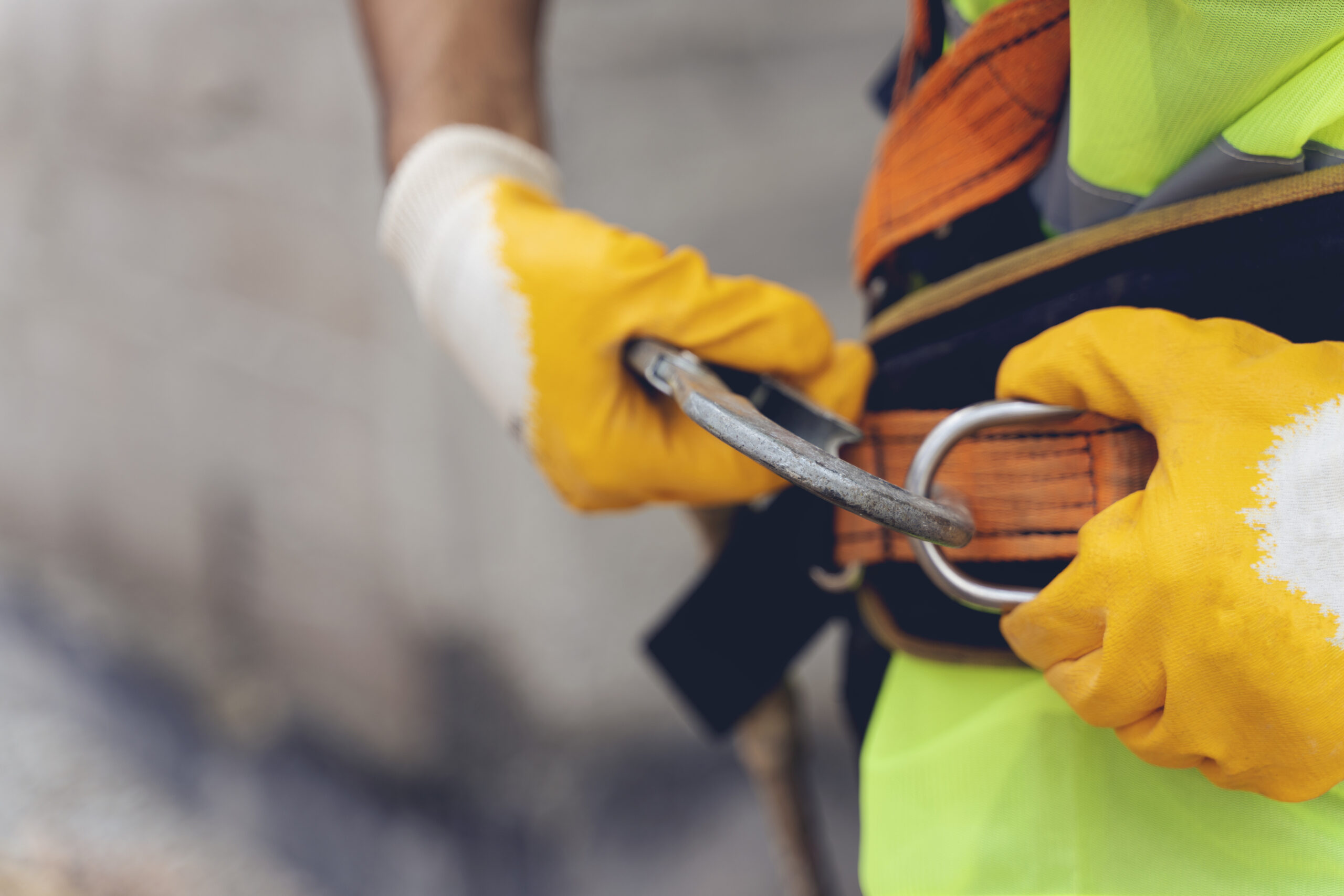
The Safety Equipment Was Supposed to Stop the Fall. What Happens When It Fails?
A safety rope, harness, strap, climbing line, carabiner, lanyard, lifeline, or other fall-protection device has one critical job: to protect the person relying on it.
When that equipment snaps, tears, releases, disconnects, opens, or otherwise fails during ordinary use, the consequences can be catastrophic.
Miller Monroe Holton & Plyler investigates serious injury and wrongful-death claims involving failed hunting, arborist, climbing, and work-at-height safety equipment.
Equipment Failures We Investigate
We investigate serious incidents involving:
- Tree-stand safety ropes
- Hunting harnesses
- Tree-stand lifelines
- Tree-stand straps and attachment systems
- Hunting saddles
- Climbing sticks
- Arborist climbing ropes
- Spliced climbing lines
- Tree-climbing saddles
- Professional climbing harnesses
- Carabiners and connectors
- Lanyards
- D-rings
- Buckles and attachment points
- Fall-arrest harnesses
- Self-retracting lifelines
- Anchorage systems
- Other equipment intended to prevent or arrest a fall
Did Something Actually Fail?
A fall by itself does not necessarily mean that a product was defective.
But a product investigation may be appropriate when:
- A rope snapped
- A splice separated
- Webbing or a strap tore
- Stitching failed
- A buckle unexpectedly released
- A carabiner opened
- A connector disconnected
- A D-ring or attachment point released
- A lanyard separated
- A lifeline broke
- A harness failed to remain secured
- A tree stand or climbing component structurally failed
- An anchor or attachment system broke
When the equipment itself fails, the product may contain evidence explaining why the fall occurred.
Preserve the Failed Equipment
If safety equipment failed during a serious fall, do not throw it away.
Do not return it to the manufacturer or retailer.
Do not repair it.
Do not clean it.
Do not test it.
Do not take it apart.
Do not allow an insurance company, employer, manufacturer, retailer, or other person to destroy or alter it.
If possible, preserve:
- The failed product
- Every broken or separated component
- Packaging
- Labels
- Model and serial numbers
- Receipts
- Online purchase records
- Instructions and manuals
- Photographs of the equipment before and after the incident
- Photographs of the accident scene
- Video
- Witness information
- Recall or safety notices
- Communications with the seller or manufacturer
The equipment itself may become some of the most important evidence in determining what happened.
Serious Injuries From Falls
Equipment failures at elevation can result in:
- Spinal cord injuries
- Paralysis
- Traumatic brain injuries
- Skull fractures
- Neck and back fractures
- Pelvic fractures
- Multiple orthopedic injuries
- Internal injuries
- Surgery
- Permanent neurological impairment
- Permanent disability
- Death
A Recall Is Not Required
Some failed products are eventually recalled.
Others are not.
A product does not have to appear on a government recall list before its design, manufacture, materials, assembly, instructions, or warnings can be investigated.
If a safety product broke or released during a serious fall, the circumstances should be evaluated based on the evidence—not simply on whether a recall already exists.
Serious Fall After Safety Equipment Failed?
If a safety rope, harness, strap, climbing line, connector, or other fall-protection product failed during use, Miller Monroe Holton & Plyler can investigate the circumstances, identify potentially responsible companies, preserve available evidence, and evaluate whether a product defect contributed to the incident.
Tell Us What Happened
Submitting information through this website does not create an attorney-client relationship.